Creating digital products with those who are shaping tomorrow

Boring companies have boring products. Don’t fit in… Stand out.

Hero Journey Club brings therapists into the games neurodivergent teens already live in. I led systems and product design, building the product and the system underneath so the team could ship faster

Getting a neurodivergent teen into support is not about whether help exists. It is about whether they go. A room, a stranger, a label. That is where it stops. Hero Journey Club, backed by a16z games, moved the session into Minecraft and Discord. The kid is already there. The therapist comes to them. I designed everything a parent or kid touched: the design system engineers build against, the quiz and checkout, the onboarding that carries a kid to their first session. Parents abandoned checkout because they would not commit before asking their kid, so we made that part of the flow and let them hold their place. Components were built to survive real edge cases, so design arrived ready to build.

  • Product Design
  • Product Strategy
  • Design Systems
Hero Journey Club onboarding: choosing an avatar, a player card counting down to the first mission, and the squad roster of Minecraft handles.Player card component from the Hero Journey Club design system, drawn in six states: filled, outlined, dark, tabbed, loading and empty.The Explorer character archetype card, beside the annotated prompt template that keeps every AI-generated character on-style.Booking a free first mission: a weekday time picker, the session confirmation for ages 10 to 12, and the trial offer that follows it.Pre-session lobby counting down 11:47 to the start, showing each teen's Minecraft handle and avatar alongside their Journey Guide.The virtual companion introducing itself, a weekly story recapping what a child worked on, and the parent's chat with Maya the mission specialist.Mission summary sent to a parent after a session, thanking them and offering personalised progress updates from Maya.

Penny gives women in Ireland a pension that moves with them. I designed it end to end, product and system, so a woman can start one in minutes and keep it in her pocket

40% of women in Ireland have no pension. Not because they are not thinking about the future. The product was never designed for them: tied to an employer, written in language nobody chose, set up as if you already understood it. Penny is a PRSA, so it belongs to the woman rather than the job, and moves with her through every career break. The signup takes a woman from nothing to a live pension. The app is where she manages it after. The employer side is for companies enrolling teams. Contributions change, jobs change, people stop and start. Simple on the surface only happens when all of that is modelled underneath, so most of the work went into the system. The Central Bank regulates pensions, so every click that disappeared had to be argued for.

  • Product Design
  • Design Systems
  • Product Strategy
Penny's product recommendation: a matched Zurich PRSA pension carrying a best-match badge, on mobile and on the desktop Get Penny Ready dashboard.Three steps of Penny's fact find — a question on sustainable investing, a progress checkpoint, and the PRSA form review.Penny's desktop pension overview: contribution summary, downloadable assessment documents, and a help section.Pages from Penny's platform design system, documenting steppers and the button component's types, sizes and states.Penny's mobile dashboard nudging a 75 percent complete fact find toward the finish.

Sennep makes complicated products feel simple, and a large retail broker asked them to do it for trading on a phone. I came in as their systems and product design partner, and the app we built ended up improving the desktop platform beside it

Trading moved to the phone and a generation arrived with it, people who had never used a desktop platform and never would. The broker saw the demand, but its product was built for a different customer on a different screen, and the problems it had carried for years showed up worse small. Sennep was brought in to fix that. I worked it from research to interface. First, who this new trader is and what they came to do. Then a native app for exactly that, not a desktop platform squeezed down. Trading is dense and unforgiving, so the interface had to carry a lot without feeling heavy, and a design system made that repeatable across every screen and state. The best part came last: what we solved for mobile answered problems the main platform had carried for years.

  • Product Design
  • Product Strategy
  • UX Strategy
  • Design Systems
The trading app's stock overview for Airbnb, with an intraday price chart, timeframe controls and a market-move news card.Placing a market order: the Apple overview, a keypad entering fifty shares, and a review screen breaking down commission and estimated cost.Stop-limit order entry for Apple, with draggable stop and limit price controls and a plain-English summary of what will trigger.Supporting panels: order-type definitions, options ratio editing, a price-to-earnings explainer, and order duration options.The options chain by strike, building a four-leg condor spread through to the contract review.

Senior digital product designer working from the first question to the system underneath

I am Fábio. For 10+ years I have designed digital products, from the first idea to the version people rely on. I work independently, through Thereforth. You get the person doing the work. As a designer, I turn direction into a product and the system that holds it up. Complexity belongs in the structure, not on the screen. As a thinking partner, I help work out what is worth building at all. Together we find what your product is really for, and then we make it.
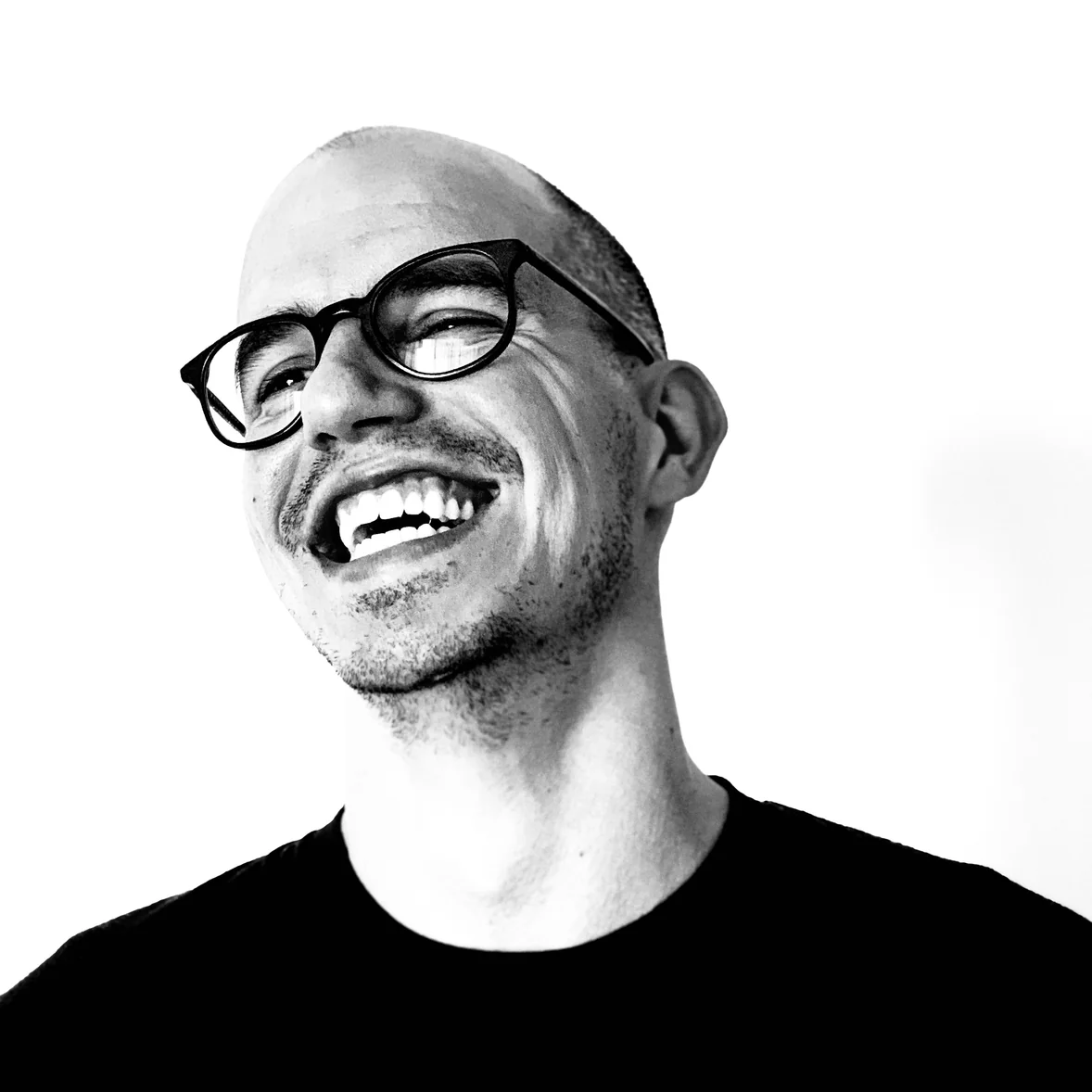
Fábio Santos laughing, in a black-and-white portrait.

Trusted in multiple industries and easy to work with

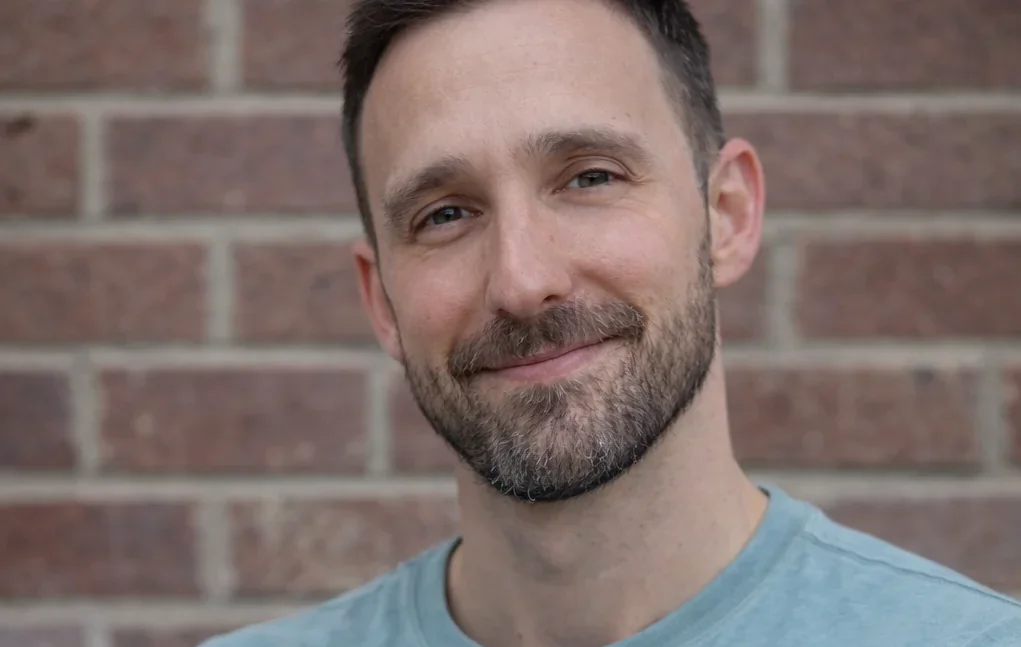
Marc Simon smiling in a head-and-shoulders portrait against a red brick wall.
“What you do really well is taking a clear idea and turning it into something engineers can actually build fast. Not just designs, but structured systems that handle edge cases properly.”
Marc SimonCo-Founder & CTO @ Hero Journey Club
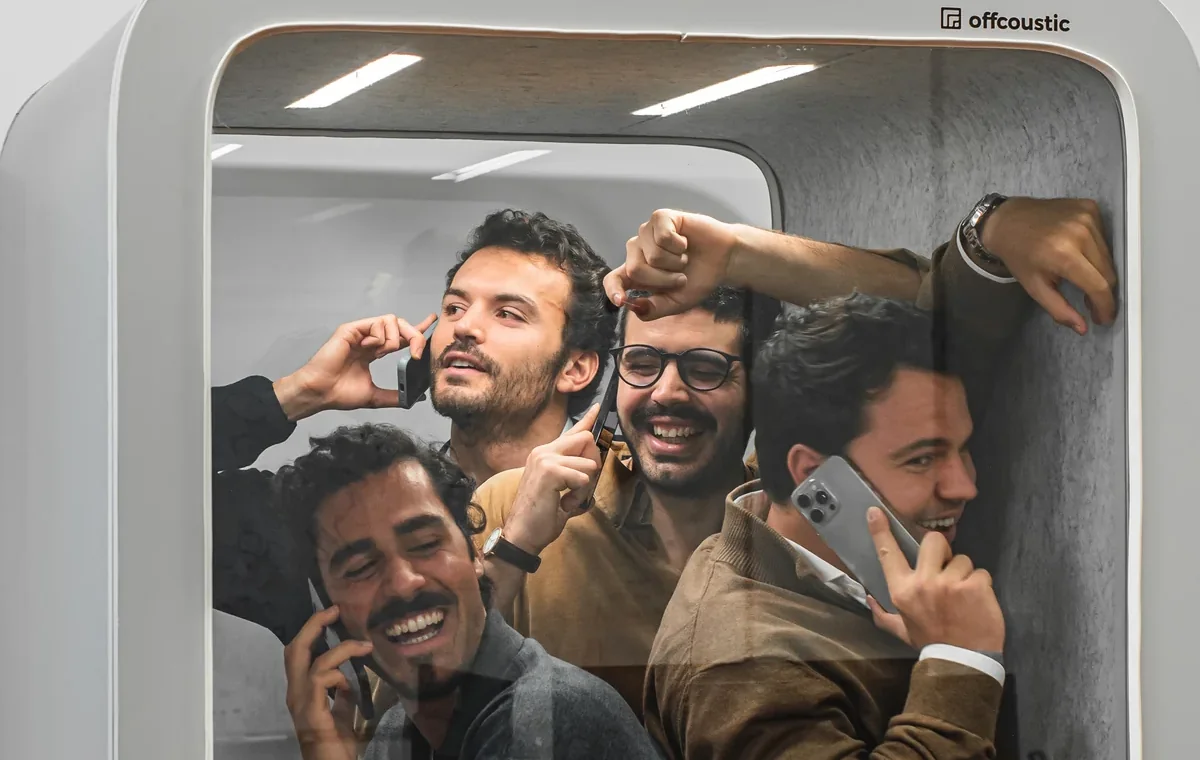
The Offcoustic team crowded into one of their acoustic phone booths, four of them taking calls at once.
“You’re one of those people who just asks the right questions, the ones that make you stop and rethink things. And you have really strong design taste, which helps a lot when you’re making product decisions.”
Rodrigo PessoaFounder & CEO @ Offcoustic
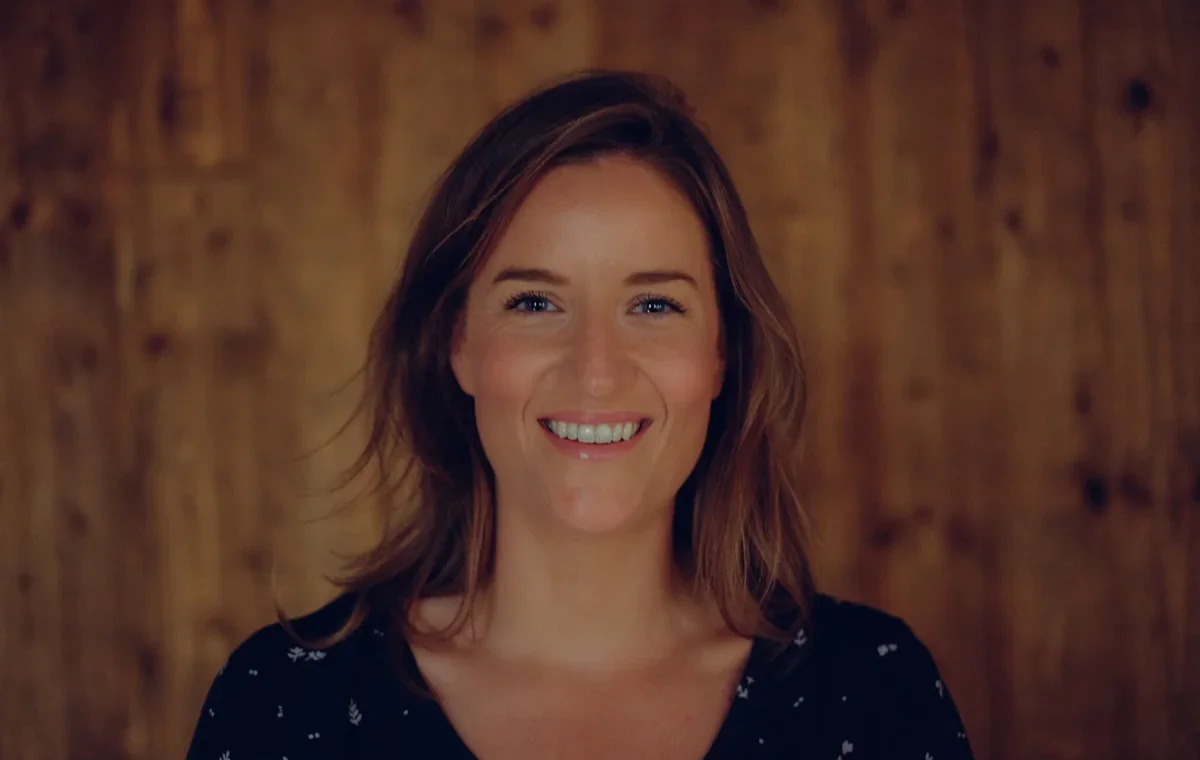
Lesley Tully smiling in a portrait against a warm wood-panelled wall.
“I spent years looking for someone who had the right blend of understanding contemporary art (very important when wanting to create a distinctive brand, identity and product), design and technology. Fabio is a systems thinker with the right blend of judgment, design and making it happen attitude. He helped me put Penny on the map with a product that stands out”
Lesley TullyFounder & CEO @ Penny
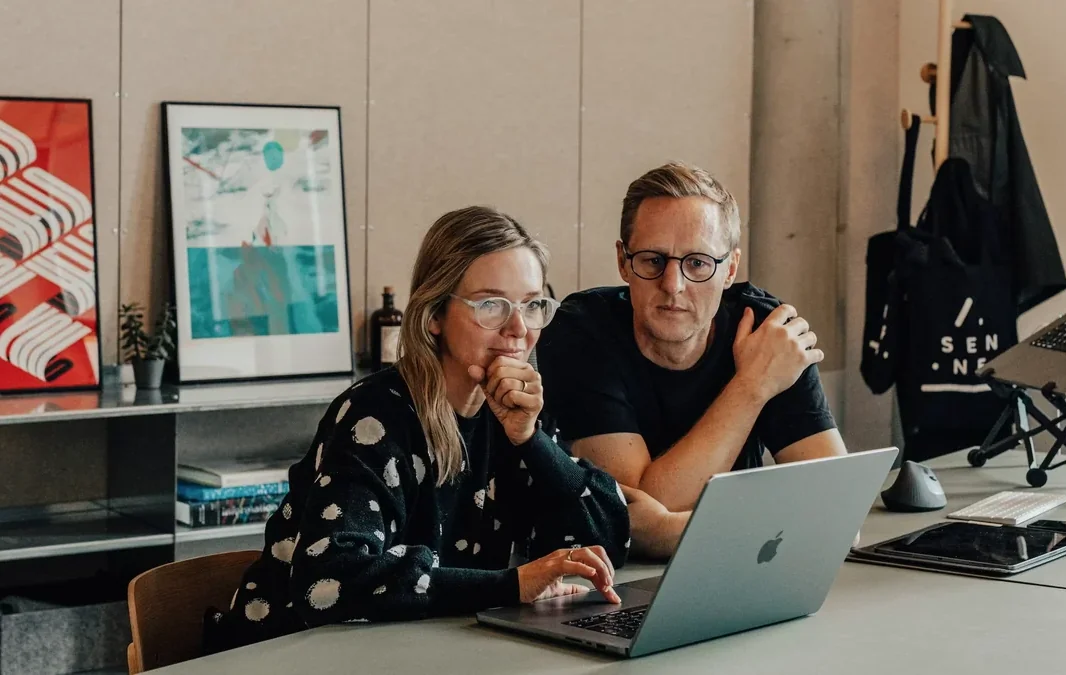
Two people working side by side at a laptop in the Sennep studio, below a wall of framed prints.
“What’s striking about Fabio is his endless positivity, and eagerness to always do better. He is a fantastic designer and a natural team player. His energy keeps everyone motivated and happy.”

Hege AbbyFounder & CEO @ Sennep
André Oliveira seated on a couch in a softly lit room, facing the camera.
“Professional, autonomous, highly skilled digital product designers that’s a pleasure to work with”
André OliveiraFounder & CEO @ Pixelamatters
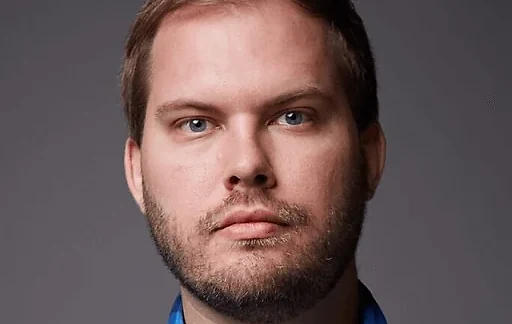
Mathew Hager in a close studio portrait on a plain grey backdrop.
“Your expertise and mature process helped drive alignment across our team, allowing us to make informed decisions faster. Your work is top notch.”

Mathew HagerFounder & CEO @ Clutch
Diogo Oliveira smiling in a portrait lit against a deep blue background.
“Working with you does something most founders say they want but rarely actually do. You slow me down. My instinct is to move fast and execute. You push me to question assumptions, challenge my own biases, and make sure the decision is actually good before it’s just fast.”

Diogo OliveiraFounder & CEO @ Cycling District
Cyrille Derché in a head-and-shoulders portrait against a pale background.
“Fabio’s clear, well thought through and attractive designs enabled us to provide better products to our customers.”
Cyrille DerchéCo-Founder & CTO @ Dokspot

What can I help you with?

From strategy to design, these are the disciplines that can help you solve your current problem.

Product Definition

Deciding what is worth building

Product Strategy

A direction the team can build to

Product Design

Craft to the highest level

Product Leadership

Holding the design team direction

Design System

Building blocks for scale

Agentic Design

AI native design process

Questions worth answering

What does a senior product designer actually do?

I work on design in its full form. What a product is for, who it is for, and the decisions it should never have to make twice. Sometimes that means shaping product decisions alongside your team. Sometimes it means designing the product itself. Always direction first.

Do you only design, or do you help decide what to build?

Both. I help work out what is worth building when the direction is fuzzy, and I design and ship it when the direction is settled. Often in the same engagement.

Who do you work with?

Most often founders, CEOs, CTOs, product managers and design leaders who are moving fast but feel the product is not landing the way it should.

If AI can build anything, why do I need a designer?

Because output is not a considered product. Building is nearly free now. Knowing what is worth building is not, and neither is the craft that makes people trust what you shipped. That is where the work sits.

Do you replace my design team?

No. I work alongside them. I make a capable team better by giving them direction they can build to and a system they can move fast in, not another layer above them.

How do you work with engineers?

Closely, and it is the part I care most about. Most design work creates friction for engineering. Mine is built to remove it. Components are structured to survive real edge cases, so what I hand over is ready to build rather than a request for someone else to figure out.

Why does a design system matter?

Because complexity belongs in the structure, not on the screen. A system is what lets a product stay simple as it grows, and it is what makes design arrive ready to build instead of arriving as a request.

Do you work with our existing design system, or start fresh?

Whichever serves the product. If you have a system, I work in it and strengthen it where it is thin. If you do not, I build one as the work goes, so it earns its place instead of arriving as an upfront project nobody asked for.

How do engagements work?

It starts with a call, no commitment. After that we agree the scope in plain terms and work month to month. You bring me in when the work needs it rather than carrying a seat you do not need.

How do I know it is working?

By what changes in the first few months. Briefs stop arriving unquestioned, the team makes calls without waiting on you, and the work that ships looks like what you meant. If none of that is moving, say so and we stop.

What do I get out of a first call?

A clearer read on what the real problem is and a next move you can act on. No deck, no template. If I am not the right person for it, I will tell you on the call.

How do we start?

Book a call. We talk through what you are building and where it is not landing, and decide whether working together makes sense. No deck, no template.

Create your next big idea

Book Call